Showing posts with label Finnish cuisine. Show all posts

17 March 2013

Promesas (poronkäristys – Lappish sautéed reindeer)

(English version below)

Ya os prometí hace casi un año que cuando las nieves volvieran a asomar os invitaría a poronkäristys, la forma más tradicional de cocinar reno en Cardamomoland. A estas alturas del invierno, las nieves no solamente han asomado, sino que han copado el paisaje desde hace unos cuantos meses y empiezan a estar guarrunas, signo inequívoco de que la primavera se acerca. Así que antes de que este invierno por fin diga “moi moi” (adiós en cardamomés) tengo que cumplir mi promesa.

Este es el plato más típico de la cocina lapona y una receta estrella de la cocina finlandesa. Al contrario de lo que mucha gente piensa, en Cardamomoland no se come reno día sí, día también; de hecho es bastante escaso, caro y, a veces, difícil de encontrar (aclaración: reno puedes comprar en cualquier supermercado pero para comprar reno del bueno necesitas “contactos”).

En la receta tradicional de poronkäristys el reno es cortado en lascas finas cuando está congelado. En los supermercados ya se suele vender cortado y congelado y para cocinarlo se descongela parcialmente, lo suficiente para que no sea un bloque de carne.

En la versión original lapona, el reno se fríe en mantequilla y se cuece en agua, añadiendo únicamente sal y pimienta negra. Existen otras versiones más modernas que añaden bacon, cebolla, cerveza, ajo y otros condimentos. Esta es la mía, espero que os guste.


Poronkäristys


Poronkäristys (estofado lapón de reno)


Ingredientes (para 5 – 6 personas):

750 grs de carne de reno para estofar
100 grs de bacon
1 cebolla roja
1 cucharada de mantequilla
1 lata de cerveza (33 cl)
150 ml de agua
2 hojas de laurel
Pimienta negra molida
Sal

Para acompañar:

Puré de patatas cremoso
Mermelada de arándanos rojos


Modus operandi:


1. Calienta la mantequilla en una olla grande. Cuando se haya derretido, añade la cebolla cortada finamente y déjala cocinar un par de minutos.

2. Por otro lado, pica el bacon en trozos pequeños y fríelo en una sartén en su propia grasa. Añade el bacon (y la grasa) y la carne de reno a la olla y sofríelo todo junto. Salpimenta.

3. Añade las hojas de laurel y vierte la cerveza y el agua en la olla. Tapa la olla y deja cocinar todo junto a fuego lento durante 1 hora y media.

4. Sirve con puré de patatas cremoso y mermelada de arándano rojo.


*Si no os es posible acceder a la carne de reno, también podéis preparar este plato con ciervo u otro tipo de venado.

Hyvää ruokahalua!


*****
Poronkäristys

Promises


I promised you almost one year ago that when the snow would knock at my door again I would invite you to poronkäristys, the most traditional way to cook reindeer in Cardamomland. Well, snow knocked, came in and stayed for some months already, and it's even starting to look dirty, which is a clear sign of the spring coming. So before this winter says definitely “moi moi” (goodbye in Finnish) I have to keep my promise.

This is the most typical dish of the Lappish cuisine and a top recipe of the Finnish gastronomy. Unlike a lot of people think, in Cardamomland people don't eat reindeer very often, in fact it's quite scarce, expensive and sometimes hard to find (well, you can buy reindeer in any supermarket, but if you want something really good you need some “contacts”).

In the traditional recipe of poronkäristys the reindeer is cut into fine pieces when it's still frozen. They usually sell it already cut and frozen in supermarkets and it's not necessary to unfreeze it completely to start cooking it (just enough that it's not a big piece of meat).

In the genuine Lappish recipe, the reindeer is sautéed in butter and cooked with just water, salt and black pepper. There are other modern versions including bacon, onions, beer, garlic and some other condiments. This is my own, I hope you like it.

Poronkäristys (Lappish sautéed reindeer)


Ingredients (serves 5 – 6 people):

750 g reindeer meat (for sautéing)
100 g bacon
1 red onion
1 tbsp butter
1 can of beer (33 cl)
150 ml water
2 bay leaves
Ground black pepper
Salt

Garnish:


Creamy mashed potatoes
Lingonberry jam


Modus operandi:


1. Heat the butter in a big pot. When melted, add the onion, finely chopped, and let it cook for a couple of minutes.

2. On the other side, cut the bacon into little pieces and fry it in a pan in its own fat. Add the bacon (and the fat) and the reindeer meat to the pot and sauté all together. Season with salt and pepper.

3. Add the bay leaves and pour the beer and the water into the pot. Let it cook covered at low heat for 1 hour and half.

4. Serve with creamy mashed potatoes and lingonberry jam.


*If you can't get reindeer meat, you can use other kind of deer for this recipe.

Hyvää ruokahalua!

04 December 2012

Lo que “Antti” hizo (siskonmakkarakeitto – sister's sausage soup)


(English version below)

Os preguntaréis quien es Antti, ¿no? Pues Antti es la tormeta de nieve que nos hizo la Pascua el viernes pasado. Si le han puesto hasta nombre... imagináos.

Cualquier vídeo, foto o enlace que os pase no reflejará la realidad que viví el viernes cuando salí a trabajar, porque en esas condiciones no había cámara que sobreviviese a una captura del momento. En dos minutos yo tenía nieve hasta en los bolsillos, el viento me llevaba de un lado a otro como si me hubiese puesto hasta arriba de chupitos de salmiakki y no veía más allá de mis narices. Por suerte, tengo un piloto automático espectacular que nos llevó a mí y a otra chavala que se había perdido en la urbanización (creedme, no es nada del otro mundo) hasta las puertas del metro. Y allí, otra odisea. Ni metro, ni tranvía, ni autobuses... en fin.


La nieve llegó a las lámparas de City Käytävä - Snow reached the lamps at City Käytävä


El caso es que llegué, tarde pero sana y salva (o eso pensé yo). No pudieron decir lo mismo todos los que abarrotaron las urgencias de los hospitales de Helsinki (sólo en el barrio de Töölö hubo más de 60 asistencias por traumatismos).

Por suerte esta ciudad está preparada para eso y mucho más, y aparte del colapso inevitable del servicio de transportes, en un día pasamos de montañas descontroladas de nieve por todas partes a un precioso paisaje de invierno.

Auténtico invierno finlandés.

Aquí os dejo algunas fotos de lo que Antti hizo.


Helsinki Cathedral (Tuomiokirkko)
Catedral de Helsinki - Helsinki Cathedral

Helsinki downtown
Centro de Helsinki - Helsinki downtown


Ah sí. Si os preguntáis lo que me hizo Antti a mí, no estoy muy segura, pero de pronto mis amígdalas tienen el tamaño de pelotas de golf y están estratégicamente situadas para que por ahí no pase ni una aguja a martillazos. No estoy segura de que sea toda su culpa, pero me temo de Antti algo ha tenido que ver.

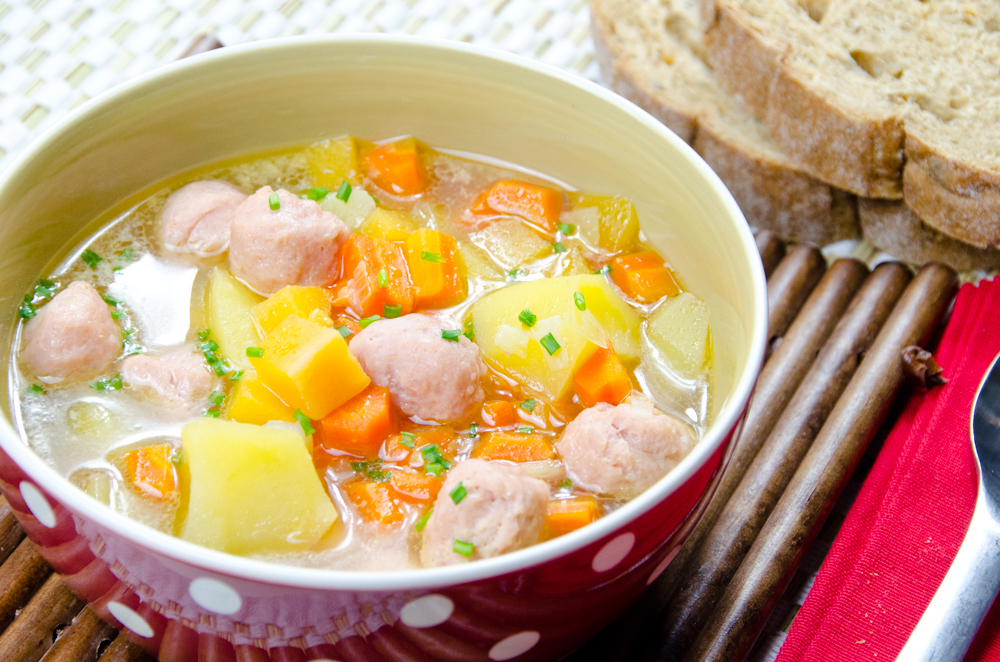
El viernes por la noche, para recuperarnos de la aventura, preparamos esta sopa típica finlandesa. Si hay algo que le guste a los finlandeses casi al mismo nivel que la cerveza, yo diría que son las salchichas. Para preparar esta sopa al más puro estilo nórdico son necesarias unas salchichas llamadas “siskonmakkara” (salchichas de la hermana – sí, en serio). Con otras ya no será “siskonmakkarakeitto”, será “makkarakeitto” (sopa de salchichas), a secas. La típica es ésta y así os la muestro.


siskonmakkarakeitto


Sopa de salchichas de la hermana (siskonmakkarakeitto)


Ingredientes (para 4 personas):


1,5 l de caldo de verduras (o de carne)
400 grs de salchichas de la hermana (siskonmakkara)
4 ó 5 patatas medianas
3 zanahorias
1 puerro
200 grs de colinabo
10 granos de pimienta negra
2 hojas de laurel
Sal
Cebollino o perejil fresco


Modus operandi:


1. Pela y pica la zanahoria, el colinabo y el puerro en trozos pequeños. Vierte el caldo en una olla grande y añade los ingredientes anteriores. Pela y pica las patatas en cachelos grandes (“rompiéndolas” para que suelten almidón). Agrega los granos de pimienta, el laurel y sal al gusto y ponlo a cocer todo junto.

2. Cuando las patatas estén casi listas, añade las salchichas. La forma tradicional es apretando la tripa y dejando caer trozos de salchicha que adquirirán forma de bola en el caldo. Deja la sopa cocer 15 minutos más y sirve con un poco de perejil o cebollino fresco picado.


*****
siskonmakkarakeitto


What “Antti” did


You are wondering who's Antti, aren't you? Well, Antti was the blizzard that visited us last Friday. You can imagine how huge it was if it even got a name... 

Any video, picture or link I could give you won't show the reality of what I experienced last Friday when I left to work. No camera would have survived that moment. In two minutes I got snow even inside my pockets, the wind was driving me in zig zag movements like completely stoned and I couldn't see anything 5 meters far away. Luckily, I have an excellent autopilot that drove me and one girl who got lost at the estate (believe me, it's not that big) to the metro station. And there, a new odyssey. No metro, no tram, no buses...

Finally I arrived, late but in one piece (or that's what I thought). All those who crowded the hospitals in Helsinki weren't so lucky (only at Töölö district more than 60 people suffered some kind of traumatism).

Luckily this city is prepared for that and much more, and the only problem was the inevitable transportation chaos. In only one day we changed the uncontrolled mountains of snow for a beautiful winter postcard.

True Finnish winter.

Here you have some pictures of what Antti did. 


Helsinki Kontula
My way to the metro station - Mi ruta hacia el metro


Helsinki downtown
Helsinki downtown - Centro de Helsinki


Ah yep. If you wonder what Antti did to me, I'm not completely sure, but suddenly my tonsils are golf ball sized and they took position so nothing goes through. I'm not sure Antti is the one to blame, but it's suspicious... at least.

On Friday night, to recover from the adventure, we prepared this typical Finnish soup. If there is something that Finns like as much as beer, I would say it's sausages. To prepare this very Nordic soup you will need some sausages called “siskonmakkara” (sister's sausage – yep, really). With other kind, it won't be “siskonmakkarakeitto” anymore, but only “makkarakeitto” (sausage soup). The typical is this one and here I show it to you.


Sister's sausage soup (siskonmakkarakeitto)


Ingredients (serves 4):

1,5 l vegetable (or meat) stock
400 g sister's sausages (siskonmakkara)
4 - 5 medium potatoes
3 carrots
1 leek
200 g rutabaga
10 black pepper corns
2 bay leaves
Salt
Chives or fresh parsley


Modus operandi:

1. Peel and chop the carrots, rutabaga and leek in small pieces. Pour the stock in a large pot and add the previous ingredients. Peel and chop the potatoes in big pieces, “breaking” them, so some starch comes out and thickens the soup a bit. Add the pepper corns, bay leaves and salt to taste and let it all cook together.

2. When the potatoes are almost ready, add the sausages. The traditional way is squeezing the casing and letting the sausage pieces drop into the soup, where they'll get a ball shape. Let the soup cook for 15 minutes more and serve with some chopped parsley or chives.

20 November 2012

Galletas multiusos (piparit with roquefort, apple and pine nuts)

(English version below)

Ya os comenté hace un par de entradas que este año me ha dado por buscarle usos diferentes a las galletas de jengibre finlandesas (piparit) y hace unos días una compañera de trabajo me dio una idea fantástica. Me dijo que aquí a la gente le gusta comerlas con sinihomejuusto (queso azul) y pensé que si a los finlandeses les va con queso fuerte, yo les iba a calzar un roquefort como mandan los cánones y un par de cositas más. El resultado es éste: un aperitivo sorprendente para quedar como dios en las próximas navidades (¡o cuando tercie!).

La receta de las galletas está aquí, y si te interesa ver otras opciones con piparit, ahí van unos bombones de piparit y un pastel de zanahorias.

Al lío.


Piparit with Roquefort and apples


Piparit con roquefort, manzana y piñones


Ingredientes (para 8 galletas):

8 piparit (galletas de jengibre)
2 manzanas Granny Smith (o las que más te gusten)
50 grs de roquefort
1 cucharada de piñones
1 cucharadita de mantequilla
Miel
Aceite de oliva virgen extra


Modus operandi:

1. Tuesta los piñones en una sartén pequeña con unas gotas de aceite de oliva. Reserva.

2. Pela las manzanas y pícalas en trocitos. En la misma sartén, calienta una cucharadita de mantequilla y fríe las manzanas en ella hasta que estén doradas y tiernas.

3. Coloca las galletas en un plato, añade una cucharada de manzana sobre cada una, unos pedacitos de roquefort, un hilo de miel y unos piñones. Sirve inmediatamente.


Fácil, ¿no? Pues hyvää ruokahalua!


*****
Piparit with Roquefort and apples


Multipurpose cookies


I told you couple posts ago that now I'm trying to find different uses for the Finnish gingerbread cookies (piparit) and some days ago one of my co-workers gave me a great idea. She told me that Finns like to eat piparit with sinihomejuusto (blue cheese) and I thought if they like it that way I would serve them with some good roquefort and a couple of ingredients more. The result is this: a surprising appetizer, perfect for this Christmas (or whenever!).

The gingerbread cookies recipe is here, and if you are interested about other options with piparit, here you have some piparit chocolates and a carrot cake.

Let's go!


Piparit with Roquefort and apples


Piparit with roquefort, apple and pine nuts


Ingredients (makes 8):

8 piparit (gingerbread cookies)
2 Granny Smith apples (or your favorite ones)
50 g roquefort cheese
1 tbsp pine nuts
1 tsp butter
Honey
Extra virgin olive oil


Modus operandi:

1. Toast the pine nuts with some drops of olive oil in a small frying pan. Reserve.

2. Peel the apples and cut them into little dices. In the same frying pan, heat a teaspoon of butter and add the apple dices. Fry them until golden and tender.

3. Place the cookies on a dish, add a tablespoon of apple dices on top of each cookie, some roquefort bits, a couple drops of honey and some pine nuts. Serve immediately.


Easy, huh? Hyvää ruokahalua!

17 October 2012

Desmontando la enfermería de campaña (näkkileipä)

(English version below)

He hecho una pausa como enfermera a tiempo parcial para traeros una receta finlandesa, que ya tocaba. No sé si es la más fácil que he publicado en el blog, pero os aseguro que se hace en un abrir y cerrar de ojos y un abrir y cerrar de puerta de horno. El näkkileipä es el crispbread finlandés, son tortas o barritas de pan de centeno muy finas, crujientes y con infinidad de posibilidades. Se pueden untar con mantequilla o queso crema, prepararlas como una tosta con salmón ahumado y crème fraîche, queso y tomate, meetvursti y pepinillos... libre albedrío. Nuestra opción más recurrente es con mantequilla y escamas de sal, dadle una oportunidad, es sorprendente.

Hay cientos de recetas de näkkileipä, con más harina de centeno, con menos, con harina integral, con semillas de hinojo, sésamo, comino, más finos, más gruesos... Ésta es la mía, muy finos y con pipas de girasol.

Por cierto, muchas gracias a todos los que os interesasteis por la recuperación de Herra K, gracias por todos los comentarios y el apoyo, sois geniales. Ésta va por vosotros.


Herra K, recuperándose

Näkkileipä


Ingredientes (para 12 unidades):

100 grs de harina de centeno
70 grs de harina de trigo
20 grs de pipas de girasol peladas (sin sal)
1 dl de agua
1 cucharada de mantequilla derretida
Una pizca de sal


Modus operandi:

1. Precalienta el horno a 220 C.

2. Mezcla todos los ingredientes en un bol y amasa con las manos hasta conseguir una bola de masa compacta.

3. Divide la masa en 12 bolas pequeñas. Espolvorea con harina la superficie de trabajo y estira cada bola todo lo que puedas con un rodillo de amasar. No te preocupes por la forma, cuanto más feas, más auténticas parecerán.

4. Coloca los näkkileipä en dos bandejas de horno preparadas con papel vegetal, 6 en cada una.

5. Hornea durante 8 – 10 minutos o hasta que estén dorados.

*Si prefieres hacer los näkkileipä un poco más gruesos, pínchalos con un tenedor antes de hornearlos.

Hyvää ruokahalua!

*****


Today I've had a little break as part-time nurse to bring you a Finnish recipe. Yes, finally. I don't know if this is the easiest recipe I've ever published in the blog, but be sure you can do this in the blink of an eye. The näkkileipä is the Finnish crispbread, a very flat kinda-cracker bread, made from rye flour mostly, crunchy and versatile. You can spread butter or cream cheese on them, or prepare them with smoked salmon and crème fraîche, or cheese and tomatoes, or meetvursti and pickles, or... free will. We usually eat them with butter and salt flakes, give it a try, it's surprisingly good.

There are hundreds of different näkkileipä recipes, with more or less rye flour, with wholewheat flour, with fennel or sesame seeds, with cumin, thinner or thicker... This is my own, very thin and with sunflower seeds.

By the way, thank you very much to all of you who sent all those good wishes for Herra K, thanks for all the comments and the support, you are simply great. This one is for you. 


Näkkileipä


Ingredients (makes 12):

100 g rye flour
70 g plain wheat flour
20 g unsalted shelled sunflower seeds
1 dl water
1 tbsp melted butter
A pinch of salt


Modus operandi:

1. Preheat the oven to 220 C.

2. Mix all the ingredients in a bowl and knead with your hands until you get a solid ball dough.

3. Divide the dough in 12 small balls. Dust your working surface with some flour and roll each ball out until very thin, using a rolling pin. Don't worry about the shape; the ugliest will be the most genuine.

4. Place the näkkileipä in two baking trays prepared with baking paper (6 in each one).

5. Bake for 8 – 10 minutes or until golden brown.

*If you prefer to make thicker näkkileipä, poke holes with a fork all over the surface of each näkkileipä before baking.

Hyvää ruokahalua!


02 August 2012

10 cosas (leipäjuusto with cloudberry jam)


(English version below)

Estimados lectores y lectoras: me voy de vacaciones. No sé si vendré por aquí o no durante este mes de agosto, puedo hacer propósito de postear recetas desde la madre patria pero como me conozco desde que nací, tengo serias dudas. En cualquier caso, no quería irme sin haceros una lista de cositas con las que llenar la panza si tenéis pensado veranear en Cardamomoland; unas más ricas y otras menos, pero curiosas y diferentes. También os dejo una receta difícil de elaborar fuera de los países nórdicos, pero que es una maravilla que no os podéis perder si venís por aquí.

Al lío.

1. Guisantes (herne). Comprarse un par de litras de guisantes en Kauppatori y tirarse a la bartola en Kaivopuisto a comer como si no hubiera un mañana es uno de los mayores placeres del veranito en Helsinki. Están buenísimos.


2. Fresas silvestres (mansikka). Sustituir guisantes por fresas en el apartado anterior para obtener idénticos resultados. También muy buenos los arándanos y las frambuesas, más todavía cuando, en un paseo por el bosque, te los encuentras a espuertas diciendo “cómeme”.

3. Estofado de reno (poronkäristys). Imprescindible. Irse de Finlandia sin probar el reno debería estar penado por ley. El poronkäristys es la forma más tradicional de comerlo: estofado, con puré de patatas y mermelada de arándano rojo.

4. Salmiakki Korkenkorva, es decir, pirriaque del duro. Tiene muchos, muchos grados y sabe a regaliz salado. Se consume a chupitos y se compra en las licorerías Alko, los únicos establecimientos donde se puede adquirir algo más que cerveza.

5. Helado de brea. Sí, suena asqueroso y sabe todavía peor. A los fineses les encanta el aroma de la brea, fabrican jabones, esencias para la sauna y... helado.

6. Korvapuustis, los bollos fineses por excelencia. Tenéis la receta aquí y para comerlos os recomiendo dos lugares: Café Regatta (a la orilla del mar detrás del parque Sibelius), un lugar cuanto menos peculiar, donde hornean unos bollos a la vieja usanza que están mortales; Esplanad (en Esplanadi), donde puedes comprar korvapuustis gigantes.

7. Pan de centeno (ruisleipä). El más tradicional es redondo, duro, con un agujero en el centro.

8. Arenques (silakka), marinados en toda clase de potingues diferentes. Se pueden comprar en los mercados, donde suelen vender botes con un montón de marinadas distintas.

9. Mora ártica (lakka), y si todavía no es temporada, mermelada de mora ártica (lakkahillo). Es una auténtica delicatessen lapona, muy apreciada por su escasez.

10. Leipäjuusto, literalmente “queso de pan”. Es un queso fresco tradicional finlandés que se suele consumir caliente y acompañado de mermelada de mora ártica. Es uno de mis postres favoritos, un descubrimiento de los que crean adicción.

Y aquí tenéis la receta.


Leipäjuusto con mermelada de mora ártica


Ingredientes (para 4 personas):

400 grs de leipäjuusto
2 dl de nata
Mermelada de mora ártica

Modus operandi:

1. Precalienta el horno a 200 C.

2. Corta el leipäjuusto en 4 triángulos y colócalos en una fuente para horno. Cubre el leipäjuusto con la nata y hornea durante 15 minutos.

3. Sirve acompañado de mermelada de mora ártica.

Felices vacaciones.

*****


Dear readers: I'm going on holidays. I don't know if I'll be around or not in August, I can try to convince myself about posting recipes from my homeland but I know myself since I was born, so I have serious doubts about it. Anyway, I didn't want to leave without making a list of things to buy/eat if you have planned to have your summer holidays in Cardamomland; some tastier and some less, but curious and different. I also bring you a recipe hard to prepare out of the Nordic countries, but it's a delicacy that you can't miss if you're coming here.

Let's go.

1. Peas (herne). Buying a couple of litras of peas in Kauppatori and laying on the grass in Kaivopuisto to eat them is priceless and one of the biggest pleasures of the Finnish summer. They are delicious.


2. Wild strawberries (mansikka). You can substitute “peas” for “strawberries” in the last paragraph with the same result. Blueberries and raspberries are also very good, mostly when you find them around while going for a walk in the forest.

3. Sautéed reindeer (poronkäristys). Essential. Leaving Finland without eating reindeer should be punished by law. The poronkäristys is the most traditional way to eat it: sautéed, with mashed potatoes and lingonberry jam.

4. Salmiakki Korkenkorva, a hard drink. It has a big lot of degrees and it tastes like salty liquorice. You should have it in little shots. You can buy it in the liquor stores Alko, the only establishments where you can buy something else than beer.

5. Tar ice cream. Yes, it sounds disgusting and it tastes even worse. Finns love the tar smell, they make soaps with it, sauna essences and... ice cream.

6. Korvapuustis, the most typical Finnish buns. You have the recipe here and to eat them I recommend you two places: Café Regatta (on the beach, behind Sibelius Park), a peculiar place where they bake them the old way and they are deadly good; Café Esplanad (at Esplanadi), where you can get giant korvapuustis.

7. Rye bread (ruisleipä). The most traditional is round, hard, with a hole in the middle.

8. Herrings (silakka), prepared with all kind of different marinades. You can buy them in markets, where they sell many kind of varieties.

9. Cloudberries (lakka), and if it's not the season yet, cloudberry jam (lakkahillo). It's a genuine Lappish delicacy, very appreciated.

10. Leipäjuusto, literally “bread cheese”. It's a traditional fresh cheese from Finland, usually eaten warm, garnished with cloudberry jam. It's one of my favorite desserts, one discovery that becomes and addiction.

And here you have the recipe.


Leipäjuusto with cloudberry jam


Ingredients (serves 4):

400 g leipäjuusto
2 dl cream
Cloudberry jam

Modus operandi:

1. Preheat the oven to 200 C.

2. Cut the leipäjuusto into 4 triangles and place them in an oven-proof dish. Pour the cream on the leipäjuusto and bake for 15 minutes.

3. Serve with some cloudberry jam on top.

Happy summer holidays.

26 April 2012

Cerrando la temporada (Karjalanpaisti – Karelian hot pot)


(English version below)

Por fin, ahora sí, la primavera ha llegado. Todavía hay nieve, pero es un residuo invencible que ni a 15 C termina por desaparecer. Está ahí pero ya ni siquiera la percibo, solo veo la mesa de las barbacoas y a Rouva Orava y sus colegas paseando sobre ella.

Por eso hoy le digo oficialmente adiós al invierno y lo hago con una invitación a meterle mano a esta olla, un plato típico finlandés.

Alguna vez he preguntado a amigos finlandeses cuál creen que es el plato insignia de su gastronomía y a todos les ha llevado bastante tiempo responder. La gastronomía finlandesa es muy regional y es bastante normal que fineses de unas zonas no conozcan ni siquiera los platos típicos de otras. Si le preguntáramos a un finés de Carelia, seguro que nos diría que es este estofado. Y si me preguntaran a mí, tendría dudas entre el Karjalanpaisti y el poronkäristys, la forma más tradicional de comer reno y que ya os enseñaré cuando las nieves vuelvan a asomar.

Si hay algún finlandés por ahí, que nos ilumine. Mientras tanto, al lío.


Karjalanpaisti (estofado de Carelia)

Ingredientes (para 2 personas):

250 grs de lomo de cerdo

250 grs de aguja de ternera

1 cebolla morada

1 zanahoria

Mantequilla

2 hojas de laurel

½ cucharadita de pimienta negra en grano

Sal

Modus operandi:

1. Precalienta el horno a 150 C.

2. Corta la carne de cerdo y la de ternera en dados. Pon una sartén al fuego con una cucharadita de mantequilla y marca los dados de carne en ella. Cuando esté lista, colócala en una olla resistente al horno o en una cocotte. Pica la zanahoria en rodajas y la cebolla en trozos grandes y repite la operación.

3. Sala la carne junto con la cebolla y la zanahoria y añade la pimienta en grano y el laurel. Cubre la sartén con agua y llévala al fuego unos minutos para que el agua absorba los jugos que haya soltado la carne. Vierte agua de la sartén en la olla o cocotte hasta que cubra la carne.

4. Tapa la olla o cocotte e introdúcela en el horno. Hornea durante 3 horas, removiendo un par de veces durante el horneado.

*El estofado de Carelia se suele tomar con patatas cocidas o puré de patatas. Yo lo he acompañado con unas patatas nuevas salteadas con tomillo, sal y pimienta.

*****


Ending the season

Finally, now it's true, spring has come. There is still some snow, but it's just some invincible waste that doesn't disappear even at +15 C. It's there, but I don't even notice it, I only see the barbecue table and Rouva Orava and her fellows walking on it.

That's why today I officially say goodbye to winter and I do it with an invitation to all of you to share this hot pot, a typical Finnish dish.

A couple of times I've asked some Finnish friends which is the most famous Finnish dish in their opinion and all of them took quite long time to answer. Finnish gastronomy is very regional and it's pretty common that Finns from one area don't know anything about the typical dishes from others. If we would ask to a Finn from Karelia, (s)he probably would point at this one. If you would ask me, I'd have doubts between the Karjalanpaisti and the poronkäristys, the most traditional way to eat reindeer (I'll show you about this when snow knocks at my door again).

If there is any Finn around, please answer. In the meanwhile, let's go!


Karjalanpaisti (Karelian hot pot)

Ingredients (serves 2):

250 g pork loin

250 g beef (chuck)

1 red onion

1 carrot

Butter

2 bay leaves

½ tsp black pepper corns

Salt

Modus operandi:

1. Preheat the oven to 150 C.

2. Dice the pork and the beef. Heat a frying pan with a knob of butter and lightly fry the meat. When ready, place the meat in a oven proof pot or in a cocotte. Slice the carrot and cut the onions into big chunks and repeat the process.

3. Season the meat, carrot and onion with some salt, and add the pepper corns and the bay leaves. Pour some water into the frying pan and heat it up for a while, so the water gets the flavour of the meat. Pour the water into the pot or cocotte so it just covers the meat.

4. Cover the pot or cocotte and place it in the oven. Bake for around 3 hours, stirring a couple times during the cooking.

*The Karelian hot pot is usually accompanied with boiled or mashed potatoes. I've served it with some new potatoes, sautéed with thyme, salt and black pepper.


22 March 2012

Esa Pera Aki (marinated chicken pyttipannu)

(English version below)

Una de las diferencias más abismales entre el idioma español y el finés son los nombres propios. Se parecen como un huevo a una castaña, o más bien a un castaño, porque de entrada los masculinos te suenan a femenino y viceversa (Mika y Juhana son fornidos chicarrones del norte, mientras que Outi y Pirjo son delicadas elfas del bosque). Amén de los “falsos amigos”, que no son moco de pavo.

La palma se la llevan los nombres propios masculinos. Pegas una patada y salen unos cuantos que te sacan una sonrisilla maliciosa. Y es que llamarse Esa, Pera, Timo, Aki, Arto o Asko es una grandísima pu... mala suerte. Si encima tienes la gran fortuna de asociar el significado del nombre con el contexto en el que te relacionas con esa persona ya es la leche. Os prometo que no miento: nuestro señor casero se llama Pena (no me digáis que no os lo pongo a huevo...).

Si nos vamos al campo femenino solamente me vienen un par de ellos a la cabeza: Karita y Marika. No está mal tampoco…

A la receta, que se me va el pistón.

El plato de hoy es de estos de cocina fusión de tres al cuarto que cada vez me gustan más. Eso de coger un plato típico y maltratarlo a mi entender se está convirtiendo en un entretenimiento bastante peligroso… os aseguro que esto está muy muy bueno, incluso ha pasado la prueba del conejillo de indias finlandés adorador del ketchup, que no es cualquier cosa.

El pyttipannu (del sueco “pytt i panna”, trocitos en sartén) es un plato típico de los países nórdicos, consistente en patatas y cebollas cortadas en daditos y fritas, acompañadas normalmente de salchichas y huevo. En la versión finlandesa, además, se suele aliñar con su correspondiente churretazo de ketchup guarruno. En mi versión “Granada-Helsinki sin escalas” he sustituido las salchichas (y por consiguiente, el ketchup) por pollo adobado. Ya me contaréis. 


Pyttipannu de pollo adobado

Ingredientes (para 2 personas):

3 patatas medianas

1 cebolla

½ pechuga de pollo

2 huevos

100 ml. de vino blanco

1 cucharadita de orégano

½ cucharadita de pimentón ahumado

1 hoja de laurel

1 diente de ajo

Sal

Pimienta negra molida

Aceite de oliva virgen extra

Sal Maldon

Modus operandi:

1. Corta el pollo en dados y ponlo en un cuenco con el vino, el orégano, el pimentón, el laurel, el diente de ajo machacado y una pizca de sal y pimienta. Déjalo macerar durante 1 hora.

2. Pela las patatas y córtalas en dados pequeños. Pica la cebolla y ponla a freir, junto con las patatas, en una sartén con abundante aceite de oliva caliente. Cuando estén doradas, sácalas y ponlas sobre papel absorbente, para que pierdan el exceso de aceite.

3. Saca el pollo del adobo y fríelo en una sartén amplia con una cucharada de aceite de oliva. Cuando esté listo, añade las patatas y la cebolla y remueve para que todos los ingredientes queden bien mezclados. En otra sartén, frie los huevos con aceite bien caliente, procurando que la clara quede bien hecha y la yema líquida.

4. Sirve la mezcla de patatas y pollo en los platos y coloca encima los huevos fritos con unas escamas de sal Maldon.

Hyvää ruokahalua!

*****
 
 
Esa Pera Aki (that pear here)

One of the biggest differences between Spanish and Finnish languages is the proper nouns. Sometimes Finnish names sound really weird for a Spaniard but it’s not only that, they seem to be confusing, and female names sound like male, and vice versa (Mika and Juhana are male and Outi and Pirjo are female, for example). We can also talk about the “false friends”, those words that sound the same in both languages but they have totally different meanings… Here we go.

We can find a lot of them in male names. Some examples are Esa (that one –female-), Pera (pear), Timo (scam), Aki (aquí – here), Arto (harto – annoyed), Asko (asco – repugnance)… bad luck, huh? It can be even worse if you are able to associate the meaning of the name with the situation that links you with that person. I promise I’m not kidding… our landlord is named Pena (sorrow).

About female names, only two come to my mind: Karita (carita - little face) and Marika (gay). More than enough I guess…

We better continue with the recipe, don’t we?

The recipe I bring you today is one more of those third-rate fusion cuisine dishes that I’m starting to love. Mistreating a typical dish as I please is becoming a little bit dangerous hobby… I assure you this is delicious, it has even passed the “Finnish guinea pig ketchup lover” test, what is an extra guarantee.

The pyttipannu (from Swedish “pytt i panna”, small pieces in a pan) is a typical dish from Nordic countries, consisting in some diced and fried potatoes and onions, usually accompanied with sausages and egg. In the Finnish version, it’s also dressed with some messy… ketchup. In my version “Granada-Helsinki nonstop” I’ve replaced the sausages (and consequently, the ketchup) with marinated chicken. Give it a try!

Marinated chicken pyttipannu

Ingredients (serves 2):

3 medium sized potatoes

1 onion

Half a chicken breast

2 eggs

100 ml white wine

1 tsp oregano

½ tsp smoked paprika

1 bay leaf

1 garlic clove

Salt

Grinded black pepper

Extra virgin olive oil

Maldon Salt

Modus operandi:

1. Dice the chicken and place it in a bowl with the wine, oregano, paprika, the bay leave, the crushed garlic clove and a pinch of salt and pepper. Let it marinate for 1 hour.

2. Peel and dice the potatoes in small pieces. Chop the onion and fry it together with the potatoes in a deep frying pan with plenty of hot olive oil. When golden, take them out and let them drain the extra oil on a paper towel.

3. Take the chicken out of the marinade and fry it in a big frying pan with a tablespoon of olive oil. When ready, add the potatoes and onions and stir, so all the ingredients get well mixed. In another frying pan, fry the eggs in hot olive oil, so the white is well cooked but the yolk remains liquid.

4. Serve the mix of potatoes, onion and chicken on the dishes and place the eggs on it. Add some flakes of Maldon salt and enjoy!

Hyvää ruokahalua!

02 February 2012

Fiesta = azúcar (Runebergintortut)

(English version below)

Rara es la fiesta en Finlandia que no se asocia a un dulce. Este domingo se celebra el aniversario del nacimiento de Johan Ludvig Runeberg, el poeta finés más influyente de todos los tiempos y autor de la letra del himno nacional de Finlandia.

Para celebrarlo, hace ya un par de semanas se pueden encontrar por todas partes los runebergintortut, los dulces que supuestamente Runeberg desayunaba todas las mañanas. Se cree que la receta la inventó su mujer, Fredrika, y se hizo popular tras la publicación de su libro de recetas en la década de 1850.

Y aquí están. Por si en alguna parte del mundo alguien quiere celebrar el día de Runeberg (para darse un homenaje siempre hay una buena excusa).


Runebergintortut

Ingredientes (para 8 pastelitos):

200 grs. de mantequilla a temperatura ambiente

200 grs. de azúcar blanquilla

140 grs. de pan rallado

120 grs. de almendra molida

120 grs. de harina de trigo

2 huevos

100 ml de nata, smetana o yogur

1 cucharadita de cardamomo

1 cucharadita de levadura química

Para decorar:

Mermelada de frambuesas

100 grs. de azúcar glass

2 cucharadas de zumo de limón

Modus operandi:

1. Precalienta el horno a 200 C.

2. Mezcla la mantequilla con el azúcar con una batidora de varillas hasta que blanqueen. Añade un huevo y mezcla hasta que se integre. Repite la operación con el segundo huevo. Añade la nata (o smetana o yogur) y mezcla de nuevo.

3. Coloca en un bol la harina, el pan rallado, la almendra molida, la levadura y el cardamomo. Mezcla estos ingredientes y añádelos al bol de la mantequilla. Mezcla todos los ingredientes y vierte la masa en un molde especial para runebergintortut (en su defecto, uno para magdalenas) engrasado.

4. Hornea durante 15-20 minutos.

5. Deja reposar los pastelitos en el molde y cuando hayan templado un poco, desmóldalos y colócalos sobre una rejilla.

6. Mezcla el azúcar y el zumo de limón para preparar una glasa para decorar. Vierte la glasa en una manga pastelera desechable y corta un agujero muy pequeño (para hacer un aro como el de la foto). Dibuja un círculo de glasa sobre cada runebergintorttu (puedes darle la vuelta para que te queden más lisos) y rellénalo con mermelada de frambuesas.

*Si te parecen demasiado secos, puedes emborracharlos con un poco de licor de almendras.

Hyvää ruokahalua!

*****


Public holiday = sugar

Usually in Finland all public holidays are connected to a pie, bun or some other sweet thing. Next Sunday it’s Runeberg’s Day, when Finns celebrate the anniversary of the birth of the most influential Finnish poet, Johan Ludvig Runeberg, the writer of the national anthem.

To celebrate it, you can find these runebergintortut everywhere for some weeks, the little cakes that Runeberg used to eat for breakfast every morning, or that’s what they say. It’s believed that the recipe was an invention of his wife, Fredrika, and became popular after the publication of her recipe book, in 1850’s.

And here they are. You don’t need to find another excuse to eat something sweet. Next Sunday you can celebrate Runeberg´s Day, no matter where you are!

Runebergintortut


Ingredients (makes 8):

200 g butter, softened

200 g caster sugar

140 g breadcrumbs

120 g grinded almonds

120 g plain flour

2 eggs

100 ml cream, smetana or yogurt

1 tsp cardamom

1 tsp baking powder

For decoration:

Raspberry jam

100 g icing sugar

2 tbsp lemon juice

Modus operandi:

1. Preheat the oven to 200 C.

2. Mix together the butter and the sugar with an electric whisk until pale. Add one egg and mix well, then repeat with the second. Add the cream (or smetana or yogurt) and mix again.

3. Place in a bowl the flour, breadcrumbs, grinded almonds, baking powder and cardamom. Mix them all together and pour them over the butter mixture. Mix the ingredients and pour the batter on a greased runebergintortut mold (if you don’t have it, you can use a muffins mold instead).

4. Bake for around 15-20 minutes.

5. Let the cakes cool down for a while in the mold and then unmold and place them on a wire rack.

6. Mix the icing sugar and lemon juice until you get a white glaze for decoration. Put the glaze in a disposable piping bag and cut a very little hole (enough to make a ring like in the picture). Draw a circle with the glaze on each runebergintorttu (you can turn them upside down to get a smooth surface) and fill it with raspberry jam.

*If you think they are too dry, you can wet them with a little almond liquor.

Hyvää ruokahalua!
Related Posts Plugin for WordPress, Blogger...