Showing posts with label calabacín. Show all posts

22 January 2013

Propósitos anti-grasa (zucchini and chorizo mini magdalenas)

 
(English version below)

Esta entrada va dedicada a todos aquellos que con la llegada del 2013 se han propuesto llevar una vida saludable, hacer deporte y comer bajo en grasa.

Para todos vosotros: magdalenas de chorizo. Eso sí, en formato reducido, para que luego digáis.

¡¿Quién dijo miedo?!


magdalenas de calabacin y chorizo


Mini magdalenas de calabacín y chorizo


Ingredientes (para 14 – 16 mini magdalenas):

50 grs de harina
50 ml de aceite de oliva virgen extra (y un poco más para freír el calabacín)
1 huevo
50 grs de calabacín
50 grs de chorizo de sarta
2 cucharadas de queso manchego rallado
1 cucharadita de hierbas provenzales
1 cucharada de leche
1 cucharadita de azúcar
1 pizca de sal
1 sobre doble pequeño de gasificante (5 grs)


Modus operandi:

1. Pica el calabacín en trocitos muy pequeños. Fríelo en una sartén con unas gotas de aceite. Sácalo a un plato con papel absorbente y reserva.

2. Precalienta el horno a 220 C.

3. Mezcla en un cuenco el huevo batido, la leche y el aceite. Añade la harina tamizada, el azúcar, la sal y el contenido del sobre doble de gasificante y mezcla con unas varillas.

4. Pica el chorizo en daditos y añádelo al cuenco anterior junto con el calabacín, el queso rallado y las hierbas provenzales. Mezcla con una espátula lo justo para que se integren los ingredientes y vierte esta mezcla en las cápsulas de mini magdalenas (no más de ¾ de cápsula).

5. Hornea las mini magdalenas durante 8 – 10 minutos o hasta que estén doradas.


¡Qué aproveche!

*****

magdalenas de calabacin y chorizo
Mini, mini...


Low-fat intentions


This post is dedicated to all of you who promised on New Year's Eve to change to healthier habits, to exercise and to eat less fat meals.

For all of you: chorizo magdalenas (remember magdalenas, the Spanish muffins?). Yep, but in a small size, so you don't complain.

Nothing to be afraid of!


Zucchini and chorizo mini magdalenas


Ingredients (makes 14 – 16 mini magdalenas):

50 g plain flour
50 ml extra virgin olive oil (and a bit more to fry the zucchini)
1 egg
50 g zucchini
50 g cured chorizo
2 tbsp manchego cheese, grated
1 tsp herbes de Provence
1 tbsp milk
1 tsp sugar
1 pinch of salt
1 small double sachet of baking soda (5 g)


magdalenas de calabacin y chorizo


Modus operandi:

1. Chop the zucchini very finely. Fry it with some olive oil drops in a frying pan. When ready, place it on a paper towel to drain the extra oil and reserve.

2. Preheat the oven to 220 C.

3. Mix the beaten egg, the milk and the oil in a bowl. Add the flour, sifted, the sugar, the salt and the baking soda and mix with a whisk.

4. Dice the chorizo finely and place it in the bowl, together with the zucchini, the grated cheese and the herbes de Provence. Mix with a spatula until the ingredients are just combined. Pour the batter into the mini muffin cases (not more than ¾ per case).

5. Bake the mini magdalenas for 8 – 10 minutes or until golden brown.


¡Qué aproveche!

10 July 2012

Ras el hanout y otras cosas (vegetables, halloumi and cashew nut “tosta”)


(English version below)

Ayer, planificando el viaje de la semana que viene, mi señora madre me contó que mi tía T (un 20% de la tropa de la que os hablaba la semana pasada) me ha comprado en el mercado de Melilla 1 kg de ras el hanout “porque no les quedaba más”.

En mi casa siempre ha habido ras el hanout, al menos desde que tengo conciencia. Mi señora madre nació en Melilla y vivió 13 años en un pueblo marroquí de la frontera, Beni Enzar, y algo tenía que quedar de todo eso. Y ese algo, aparte de recuerdos y fotos de la infancia, es el ras el hanout y la receta de pinchos más fácil y rica que he probado en mi vida: carne, sal, cebolla, aceite de oliva y ras el hanout, y concretamente, el ras el hanout del mercado de Melilla, que nada tiene que ver con el que venden en los supermercados de la península. Nada de nada. 

Una de esas fotos. Mi tía T es la segunda y mi madre la cuarta, la más pequeña (aunque todavía llegarían unos cuantos más) / One of those pictures. My aunt T is the second and my mom the fourth one, the smallest (some more would still come...)


No sé qué piensa mi tía que voy a hacer con 1 kg de ras el hanout, pero poco me importa. Es el detalle de cuidar que no me falten pinchos ni pastelas a casi 4000 km de distancia lo que me toca dentro y me da igual que sean 100 gramos o un camión de ras el hanout lo que me traiga.

Así que, aunque me imagino que no me lee, esta receta es para ella. 


Tosta de verduras con halloumi y anacardos


Ingredientes (para 2 personas):

4 rebanadas de pan de hogaza
4 cebolletas pequeñas
1 pimiento
½ calabacín
200 grs de halloumi
1 puñadito de anacardos
½ cucharadita de ras el hanout
2 cucharadas de perejil fresco
Aceite de oliva virgen extra
Unas gotas de zumo de limón
Sal

Modus operandi:

1. Pon el perejil con 1 dl de aceite de oliva y unas gotas de zumo de limón en el vaso de la batidora. Tritura y reserva.

2. Pica finamente las cebolletas, el pimiento y el calabacín. Pon una sartén al fuego con un poquito de aceite de oliva y añade las cebolletas, el pimiento y una pizca de sal. Fríelos ligeramente y añade el calabacín y el ras el hanout. Deja cocinar todo junto unos minutos más y reserva.

3. Por el pan a tostar, en el horno o en la tostadora. Limpia la sartén y ponla de nuevo al fuego. Añade una cucharada de aceite de oliva y marca el halloumi (cortado en lonchas) hasta que esté tierno y dorado.

4. Monta la tosta colocando sobre el pan una buena cantidad de verduras y unas lonchas de halloumi. Aliña con un chorrito de aceite de oliva con perejil y unos anacardos picados.

*****


About ras el hanout and something else


Yesterday, while planning the trip for next week, my mom told me that my aunt T (a 20% of the family troop I talked about in the last post) bought 1 kg of ras el hanout for me at the market in Melilla, and pointed out “just 1 kg, because they didn't have more”.


There has always been ras el hanout at home, at least since I can remember. My mom was born in Melilla (a Spanish city in the north of Africa) and lived 13 years in a Moroccan town at the border, Beni Enzar, and something had to remain from that experience. And that something is, together with some memories and pictures of her childhood, ras el hanout and the easiest and tastiest skewers recipe I've ever eaten: meat, salt, onions, olive oil and ras el hanout, and specifically, ras el hanout from the market in Melilla, far much better that anything you can buy in any supermarket in Spain.

I don't know what my aunt thinks I'm going to do with 1 kg of ras el hanout, but I don't care. It's the point that she takes care that I don't run out of chicken skewers and pastelas almost 4000 km far away what touches me deep inside. And I don't care if it's 100 g or a full truck what she brings.

So, even though I think she doesn't read this blog, this recipe is for her.


Vegetables, halloumi and cashew nut “tosta”


Ingredients (serves 2):

4 slices of country bread
4 spring onions
1 bell pepper
½ zucchini
200 g halloumi
1 small handful of cashew nuts
½ tsp ras el hanout
2 tbsp fresh parsley
Extra virgin olive oil
Some lemon drops
Salt

Modus operandi:

1. Put the parsley with 1 dl of olive oil and some lemon drops in the blender jar. Blend and reserve.

2. Finely chop the spring onions, the bell pepper and the zucchini. Heat a frying pan with a bit of olive oil and add the spring onions, the bell pepper and a pinch of salt. Fry them lightly and add the zucchini and half a teaspoon of ras el hanout. Let it cook all together for a couple of minutes more and reserve.

3. Toast the bread, in the oven or in a toaster. Clean the frying pan and heat it again. Add a tablespoon of olive oil and lightly fry the halloumi (sliced), until gold and tender.

4. Build the tosta putting a decent amount of vegetables and some slices of halloumi on it. Finish with some parsley oil and some chopped cashew nuts.

*A “tosta” is a typical Spanish tapa, consisting of a slice of toasted bread with different ingredients on top of it.

07 February 2012

Tragicomedia (pasta al forno with zucchini and gorgonzola dolce)

(English version below)

Cuando uno se va fuera de su país se encuentra con que tiene que dar muchas explicaciones a la gente que va entrando en su nueva vida. Recopilando preguntas estándar se me ocurren unas cuantas, pero por supuesto la reina de todas ellas es: "¿por qué Finlandia?" A los finlandeses parece que les extraña un poco que alguien que viene de un país con sol, calorcito y chiringuitos pueda ser feliz en un lugar donde hace una semana que no subimos de -15 C.

Otra es “¿no echas de menos tu país?” (ahí, metiendo el dedo en la llaga…) y yo siempre contesto que echo de menos a mi familia y a mis amigos pero que al país en sí, todavía no me ha dado tiempo. Es cierto, llevo aquí ya 7 meses pero todavía no tengo grandes momentos de morriña. Morriñilla sí, pero controlada. Echo de menos lugares a los que solía ir (sobre todo a comer, una no tiene remedio), del día a día, el mercado, mis restaurantes favoritos, las tapitas… y si me preguntáis por algo en concreto seguramente os diré que echo de menos los macarrones al forno de Il Gondoliere. Bueno, los macarrones, después el heladito de stracciatella de Los Italianos y el Paseo de los Tristes para arriba y para abajo para aligerar el estómago.

Esa pasta de verdad, al dente, esa cazuela cubierta con masa de pizza para mojar en esa salsita que está… de muerte.

Cuando escribí el post sobre la gastronomía finlandesa, os comenté que había sufrido algunos impactos con ciertos platos típicos de aquí. El primero lo tuve mucho antes de pensar siquiera en mudarme, viendo la película Paha Maa (Tierra Helada) – atención: spoilers!! En un momento dado, una mujer policía es asesinada y cuando el marido y sus pequeños vuelven a casa tras el funeral, él les prepara un plato de pasta, por llamarlo de alguna forma. Básicamente cuece pasta y les da un bote que ketchup para que se la aliñen. Yo pensé que era una bonita forma muy finlandesa de mostrar ese dolor por la pérdida, ese padre destrozado que tiene que alimentar a sus hijos pero no tiene fuerzas para currarse una boloñesa, aunque sea industrial. Inocente de mí.

Aquí la pasta se aliña con ketchup. Sí, señoras y señores, con ketchup. Espero que a los que lo estén leyendo no les sangren los ojos como a mí los dedos de escribirlo, y por si acaso se pensaban que era broma ahí va la tercera: CON KETCHUP.

Y yo no soy italiana, ni experta en la materia, pero algo mejor se me da el asunto y no necesito preparar mi pasta con ketchup ni cocinarla en leche (¡¡¡sí, también!!!).

Así que allá vamos, en honor al chef de Il Gondoliere, que tan buenos ratos me ha dado. Ya sé que no se parece ni de lejos a la que sirven allí, ni tiene boloñesa, ni huevo cocido (y por supuesto, ¡no lleva champiñones!) pero a mí me ha sabido a gloria y si no he pedido el tiramisú de postre es porque después de hincarme esta cazuela, ya estaba haciendo la croqueta por el salón.


Pasta al horno con calabacín y gorgonzola dulce

Ingredientes (para 2 personas):

180 grs. de pasta corta (yo he usado macarrones tricolor)

2 bolas de masa de pizza casera

1 calabacín pequeño o medio grande (unos 200 grs)

1 cebolla

1 pimiento verde pequeño

150 grs. de gorgonzola dulce

100 grs. de mozzarella rallada

200 grs. de crème fraîche

100 grs. de salsa de tomate

Albahaca

Harina de trigo

Aceite de oliva virgen extra

Sal

Pimienta negra molida

Sal Maldon

Modus operandi:

1. Precalienta el horno a 200 C.

2. Pica la cebolla, el pimiento y el calabacín y sofríelos en una sartén con un poco de aceite de oliva. Agrega la salsa de tomate, la crème fraîche, la albahaca (al gusto) y la mitad del gorgonzola en dados. Rectifica de sal y añade un poco de pimienta molida. Deja cocinar todo junto durante 10 minutos.

3. Cuece la pasta en abundante agua salada lo justo para que quede al dente. Cuando esté lista, escúrrela y añádela a la sartén con las verduras. Retira del fuego, mezcla bien y coloca la pasta en dos cazuelas individuales para horno. Cubre la pasta con la mozzarella y el gorgonzola que teníamos reservado.

4. Espolvorea la superficie de trabajo con un poco de harina y estira la masa de pizza hasta conseguir dos círculos. Cubre las cazuelas con ellos y espolvorea un poco de sal Maldon sobre la masa.

5. Hornea durante unos 10 minutos, o hasta que la masa se vea dorada y crujiente.

En dos palabras: Im-presionante.

*****


Tragicomedy

When you move abroad you usually live the same situation again and again (mostly at the beginning): you have to explain a lot of stuff to the people new in your life. Trying to remember which are the standard questions I’ve suffered, many of them come to my head, but the king of all of them is: “why Finland?” Finns have a problem to understand that someone who comes from a country full of sun, heat and “chiringuitos” is able to be happy in a place where it hasn’t been over -15 C for a week now.

Another one is “don’t you miss your country?” (thanks for the poke…) and I always answer that I miss my family and friends but not the country itself, because I didn’t have enough time for that yet. It’s true, I’ve been living here 7 months now but I still don’t have very big moments of homesickness. Maybe a little bit from time to time, but it’s under control. I miss the places I used to go (mostly to eat, that’s how I am), the market, my favorite restaurants, tapas… and if you ask for something concrete, I will probably answer I miss the maccheroni al forno from Il Gondoliere. Well, the pasta, then a delicious stracciatella ice cream at Los Italianos and finally a walk in Paseo de los Tristes to make my stomach work.

That real pasta, al dente, that clay casserole covered with pizza dough, really to be dipped in that sauce that is… deadly luscious.

When I wrote the post about the Finnish gastronomy, I told you I had some shocks with certain typical dishes from here. The first one happened long ago, even before I thought about moving here, while watching Paha Maa (Frozen Land) – warning: spoilers!! In one point of the movie a policewoman dies and when her husband and children go back to home after the funeral, the father prepares a “dish of pasta”. He basically boils pasta and gives the kids a ketchup bottle to season it. I thought it was a beautiful and very Finnish way to show his pain for the loss, a father who has to feed his children but is not strong enough to cook some Bolognese sauce, not even industrial. Innocent me.

In Finland pasta is dressed with ketchup. Yes, ladies and gentlemen, with ketchup. I hope, readers of mine, your eyes are not bleeding when you read this as my fingers are while I’m writing it. Just in case you think this is a joke I’ll tell you for the third time: WITH KETCHUP.

And I’m not Italian and not a pasta expert either but it seems I know something more about this business and I don’t need to dress my pasta with ketchup nor boil it in milk either (yeah, that too!!!).

So here we go. This is in honor of Il Gondoliere chef, who gave me so many good moments. I know this pasta is nothing compared with the one they serve there, it doesn’t have that Bolognese sauce or boiled egg (and of course, it doesn’t have mushrooms!) but it tasted like glory to me. And if I didn’t ask for the tiramisu after it, it’s just because I was rolling on myself over the living room floor after eating the whole casserole.


Pasta al forno with zucchini and gorgonzola dolce

Ingredients (serves 2):

180 g short pasta (I’ve used penne tricolore)

2 balls of homemade pizza dough

1 small zucchini or half a big one (around 200 g)

1 onion

1 small green bell pepper

150 g gorgonzola dolce

100 g grated mozzarella

200 g crème fraîche

100 g tomato sauce

Basil

Plain flour

Extra virgin olive oil

Salt

Grounded black pepper

Maldon salt

Modus operandi:

1. Preheat the oven to 200 C.

2. Dice the onion, bell pepper and zucchini and lightly fry it in a pan with a little olive oil. Add the tomato sauce, crème fraîche, basil (as much as you want) and half of the gorgonzola, diced. Season with salt and grounded black pepper. Let it cook all together for 10 minutes.

3. Boil the pasta in plenty of salted water until al dente. When ready, drain and add it to the pan with the vegetables. Mix well all the ingredients and place the pasta in two individual clay casseroles (if you don’t have, you can use other oven resistant casseroles). Cover the pasta with mozzarella and the reserved gorgonzola.

4. Dust the working surface with some flour and roll the pizza dough out to make two circles. Cover the casseroles with them and dust with some Maldon salt over the dough.

5. Bake for around 10 minutes or until the surface looks golden and crunchy.

Just one word: impressive.

06 October 2011

Tópicos finlandeses 1: la sauna (chocolate and zucchini cake)

(English version below)

Si hay un tópico finlandés por excelencia, ese es la sauna. Podría ser Nokia, pero todavía hay quien piensa que es una empresa japonesa. No señoras y señores, Nokia es el segundo orgullo nacional finlandés, sólo por detrás de la sauna.

Cada habitante de este país tiene acceso a la sauna. Todas las casas tienen una, y en los bloques de pisos, si no hay una propia, suele haber una comunitaria donde poder reservar tu turno semanal por un módico precio. Además hay saunas públicas (aunque algunas dan un mal rollo considerable) y también puedes encontrarlas en gimnasios, piscinas, etc.

Podría tirarme horas hablando de la sauna y de su historia (y de sus historietas: que las mujeres daban a luz en la sauna, que existe una sauna presidencial, etc, etc) pero como este es un blog de cocina, nos vamos a ir directamente a los ingredientes y al modus operandi, para que conozcáis la sauna tradicional finlandesa.
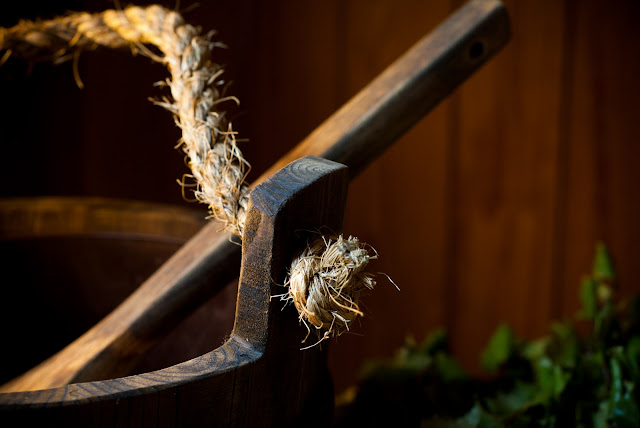

sauna


Receta para una sauna perfecta

Ingredientes:

El habitáculo. De madera, acogedor, con escalones donde sentarse, tumbarse o hacer el pino si tienes energía suficiente. Los escalones son niveles del inframundo, cuanto más alto te sientes, más cerca del Manala estarás.

Kiuas. Es la fuente de calor. Los tradicionales son de madera y los modernos son eléctricos. Suelen estar protegidos con una baranda de madera para evitar que te tuestes como un pollo en un traspié.

Cubo grande y cacillo. De madera y bien llenos de agua fría. Se les puede añadir alguna esencia para ambientar. Suelen ser aromas típicos finlandeses como la brea o bucólico campestres como el abedul, el eucalipto o el bosque entero.

Laudeliina. Se dice que esta palabra es la más bonita del finés. Es una tela rectangular que sirve para aliviar un poco la temperatura bajo tus posaderas. También tiene algún fin higiénico, si es que a esas temperaturas hay bicho que pueda sobrevivir.

Vihta. Ramo bastante tupido preparado con ramas tiernas (a veces no tan tiernas) de abedul. Lo suyo es salir al bosque y prepararlo tú mismo es una especie de ritual pre-sauna, pero ya lo puedes encontrar también en los supermercados (no es lo mismo pero da el pego). Su propósito es ofrecerte un arma lo suficientemente contundente para fustigarte a gusto mientras te torras vuelta y vuelta.

Fuente de hidratación. Como veis no puntualizo de qué tipo, pero me imagino que ya sabréis por donde van los tiros. Teniendo en cuenta el país en el que estamos, creo que la única que lleva agüita fresquita a la sauna soy yo.

Modus operandi:


1. Precalienta la sauna a 80 – 90 C. Pon la vihta a remojar para que las ramas y las hojas estén más suaves.

2. Deja tu cuerpo como tu madre te trajo al mundo, incluyendo objetos metálicos que puedan marcarte como a una vaca. Sé coherente y elige el escalón donde creas que vas a poner aguantar el ritual sin que te dé un buen chungo (la sauna es terapéutica, pero no tiene desfibrilador). Lo que os voy a comentar a continuación parece de perogrullo pero aunque digan que la educación en Finlandia es la mejor del mundo, hay mucho g********* suelto: no toméis analgésicos antes de entrar

3. Coloca tu laudeliina sobre el escalón y aposenta tu trasero (o tu cuerpo entero) sobre ella. Relájate y disfruta.

4. El siguiente paso es el löyly: llena el cacillo de agua y canta ”Siperian lakeus on laaja, Igor siellä lunta lapioi, Igorilla kävi huono tuuri, uudet tuulet lisää lunta toi. Hei!” (La extension de Siberia es grande, Igor está allí quitando nieve con su pala, Igor tuvo mala suerte, nuevos vientos trajeron más nieve. Hei!). Echa el agua sobre las piedras desde la distancia y repite la operación 3 ó 4 veces (cantando cada vez más rápido). Prepárate para recibir el guantazo más caliente de tu vida. El calor saldrá el kiuas realizando un movimiento circular y en unos segundos te abofeteará la cara y te hará respirar puro fuego (yeeeeeeeaaaaaaaah). Este proceso será repetido durante el ritual unas cuantas veces.

5. Azótate todo el cuerpo con tu vihta como si no hubiera un mañana y bebe, bebe, bebe (es importante estar hidratado). Si lo que ingieres tiene más grados de la cuenta asegúrate de ir siempre con alguien que te pueda rescatar en caso de que llegues al coma etílico y te quedes frito dentro. El cuerpo humano a 100 C también se descompone. Por las piedras incandescentes no te preocupes, tu cogorza está segura, hay una baranda que te separa del kiuas.

6. Sal de vez en cuando a darte una ducha de agua fría, a nadar en el lago o a rodar por la nieve como un puerquillo en el lodazal.

7. Repite los pasos 3 a 7 cuantas veces quieras, al final parecerá que te han dado una paliza y estarás más feliz que una perdiz. Como tendrás la tensión por los suelos, te agradará la idea de haber sido previsor y haber dejado preparado algo para comer.

Algo como esto.


Bizcocho de chocolate y calabacín

Receta de Clotilde Dusoulier, extraída del libro Chocolate & Zucchini. Puedes encontrar esta receta también en su blog Chocolate & Zucchini

Ingredientes:

110 grs. de mantequilla sin sal a temperatura ambiente, o 120 ml. de aceite de oliva virgen extra, y un poco más para engrasar

240 grs. de harina de trigo

60 grs. cacao en polvo

1 cucharadita de bicarbonato

½ cucharadita de levadura química

½ cucharadita de sal

180 grs. de azúcar moreno

1 cucharadita de esencia de vainilla

1 cucharadita de café soluble

3 huevos grandes

350 grs. de calabacín rallado con piel, más o menos 1 calabacín mediano y medio

160 grs. de pepitas de chocolate amargo

Azúcar glass o chocolate amargo fundido (opcional)

Modus operandi:

1. Precalienta el horno a 180 C y engrasa un molde redondo de 25 cm de diámetro con aceite o mantequilla.

2. En un bol grande mezcla la harina, el cacao en polvo, el bicarbonato, la levadura y la sal. En un robot de cocina bate el azúcar y la mantequilla hasta que estén cremosos (puedes hacerlo también a mano, con una espátula). Añade la vainilla, el café soluble y los huevos y mezcla bien después de agregar cada ingrediente.

3. Reserva unos 120 grs. de la mezcla de harina y añade el resto a la crema de mantequilla. Trabaja hasta que estén integrados; la mezcla sera bastante espesa.

4. Añade el calabacín y las pepitas de chocolate a la mezcla de harina reservada. Intégralos bien, agrégalos a la masa y mezcla ligeramente con una cuchara de madera. Vierte la masa en el molde engrasado y repasa la superficie con una espátula.

5. Hornea durante 40 – 50 minutos, hasta que pinchando en el centro del bizcocho con un cuchillo éste salga limpio. Coloca el bizcocho todavía con el molde en una rejilla para que se enfríe durante 10 minutos. Después desmóldalo y déjalo enfriar hasta alcanzar temperatura ambiente antes de servir. Decora con azúcar glass, chocolate derretido o algunas rodajitas de calabacín crudo (no hace falta comérselo).

Para los que tengan prejuicios con la mezcla de repostería y verduras: no sabe nada a calabacín y le aporta una textura increíble. Si te lo callas, nadie se dará cuenta (prueba realizada sobre 6 satisfechos conejillos de indias).

Si lo preparas antes de la sauna cuando salgas ya se habrá asentado y estará todavía más bueno. Si a esto le añadimos al hecho de que solamente tienes que cortar y comer, lo convertimos en una excelente opción after-sauna.

Por cierto, los jueves tenemos nuestro turno de sauna… alguien se viene? ;)

*****

If there is a traditional Finnish cliché, it’s sauna. It could be Nokia, but there are still people who think it’s a Japanese company. No, ladies and gentlemen, Nokia is the second Finnish national pride, right after sauna.

Each citizen in this country has access to sauna. Every house has one, and in apartment buildings, if you don’t have your own, you can enjoy the communal sauna, where you can reserve your turn once per week for some coins. There are also public saunas (some of them look a bit suspicious) and you can also find them in gyms, swimming pools, etc.

I could write about sauna for hours, about its history and stories (like women giving birth in them, the presidential sauna, etc) but this is a foodblog, so I will show you the list of ingredients and the process so you can cook the perfect Finnish sauna.

Recipe for a perfect sauna

Ingredients:

Room. Wooden, cozy, with laude (the bench) where to sit down, lay or do a handstand if you want and have enough energy. The laude are like levels of the underworld, the higher you sit, the closer to Manala you’ll be.

Kiuas. It’s the heat source. In traditional saunas they are wooden and in modern, electric. They are usually protected with a wooden rail to prevent you to roast like a chicken in case of an accident.

Bucket and ladle. Wooden and filled with cool water. Sometimes some essence is added to the water to get a special ambient. They are usually typical Finnish smells like tar, or more bucolic, as birch, eucalyptus or the whole forest itself.

Laudeliina. This word has been said to be the most beautiful of Finnish language. It’s a rectangular fabric that works to relieve a little bit the heat under your butt. It has also some hygienic purpose, if any bug has a chance to survive to those temperatures.

Vihta. Very dense bunch made with soft (sometimes not so soft) birch branches. It’s nice to go to the forest and make it yourself in a kind of a ritual before sauna, but these days you can find them also in supermarkets (it’s not the same, but it works). Its purpose is to offer you a blunt weapon to whip yourself while you sweat upside down.

Hydration source. As you see, I don’t specify what kind, but I guess you can imagine what I mean. Considering the country we are talking about, I guess I’m the only one who brings cool water to sauna.

Modus operandi:

1. Preheat the sauna to 80 – 90 C. Put the vihta in water so the branches and leaves get softer.

2. Undress completely, including metallic objects that can brand you as a cow. Be coherent and choose a laude where you can bear the ritual (sauna is therapeutic but it doesn’t have defibrillator). What I’m going to say now sounds very obvious but even though Finnish education is supposed to be the best in the world, there are still some really stupid people: don’t take painkillers before going to sauna

3. Place your laudeliina on the laude and sit down (or lay) on it. Relax and enjoy.

4. Next step is löyly: fill the ladle and sing ”Siperian lakeus on laaja, Igor siellä lunta lapioi, Igorilla kävi huono tuuri, uudet tuulet lisää lunta toi. Hei!” (Siberia's expanse is wide, Igor is there shoveling the snow, Igor had bad luck, new winds brought more snow. Hey!). Throw some water to the hot stones and repeat 3 or 4 times (singing faster each time). Get ready to receive the hottest slap in your life. Heat will leave from the kiuas making a circular movement and in couple seconds it will punch your face and will make you breathe pure fire (yeeeeaaaah). This process will be repeated during the ritual several times.

5. Whip all your body with vihta and drink, drink, drink (being hydrated is very important). If your drink is too strong, make sure you go inside with someone who can rescue you in case of alcoholic coma and falling asleep inside. Human body can also decompose at 100 C. Don’t worry about the incandescent stones, your drunkenness is safe, there is a rail separating you from the kiuas.

6. Go away from time to time and get a cold shower, swim in the lake or roll over the snow as a pig on a quagmire.

7. Repeat steps 3 to 7 as much as you want, finally it will feel like someone has given you a good hiding and you will be happy happy (joy joy). You’ll have very low pressure so you’ll love the idea you had before going to sauna. You were farsighted enough and you left something ready to eat.

Something like this.


Chocolate & zucchini cake

Recipe by Clotilde Dusoulier, from the book Chocolate & Zucchini. You can find this recipe also in her blog Chocolate & Zucchini

Ingredients:

110 g. unsalted butter, at room temperature, or 120 ml. extra virgin olive oil plus one pat butter or teaspoon olive oil for greasing.

240 g. plain flour

60 g. unsweetened Dutch-process cocoa powder

1 tsp. baking soda

½ tsp. baking powder

½ tsp. fine sea salt

180 g. light brown sugar

1 tsp. pure vanilla extract

1 tsp. instant coffee granules

3 large eggs

350 g. unpeeled grated zucchini, from about 1½ medium zucchini – keep the remaining half zucchini for optional garnish

160 g. good quality bittersweet chocolate chips

Confectioner’s sugar or melted bittersweet chocolate (optional)

Modus operandi:

1. Preheat the oven to 180°C and grease a 25 cm (10-inch) springform pan with butter or oil.

2. In a large mixing bowl, whisk together the flour, cocoa powder, baking soda, baking powder and salt. In a food processor, process the sugar and butter until creamy (you can also do this by hand, armed with a sturdy spatula). Add the vanilla, coffee granules and eggs, mixing well between each addition.

3. Reserve about 120 g. of the flour mixture and add the rest to the egg mixture. Mix until just combined; the batter will be thick.

4. Add the zucchini and chocolate chips to the reserved flour mixture and toss to coat. Fold into the batter, and blend with a wooden spoon – don’t overmix. Pour into the prepared cake pan and level the surface with a spatula.

5. Bake for 40 to 50 minutes, until a knife inserted in the center comes out clean. Transfer to a rack to cool for 10 minutes, run a knife around the pan to loosen the cake and unclasp the sides of the pan. Let cool to room temperature before serving. Sprinkle with confectioner's sugar, glaze with melted chocolate or decorate with a few slices of raw zucchini (you don’t have to eat them, though).

For those who are not very happy with the idea of mixing bakery and vegetables: you can’t taste any zucchini flavour at all in this cake, and it gives it a fabulous texture. If you don’t say it no one will notice (tested on 6 satisfied guinea pigs).

If you bake it before sauna it will be perfect when you finish. Adding the fact that you only have to cut and eat it becomes an excellent after-sauna choice.

By the way, our sauna turn is on Thursday… do you join? ;)


Related Posts Plugin for WordPress, Blogger...